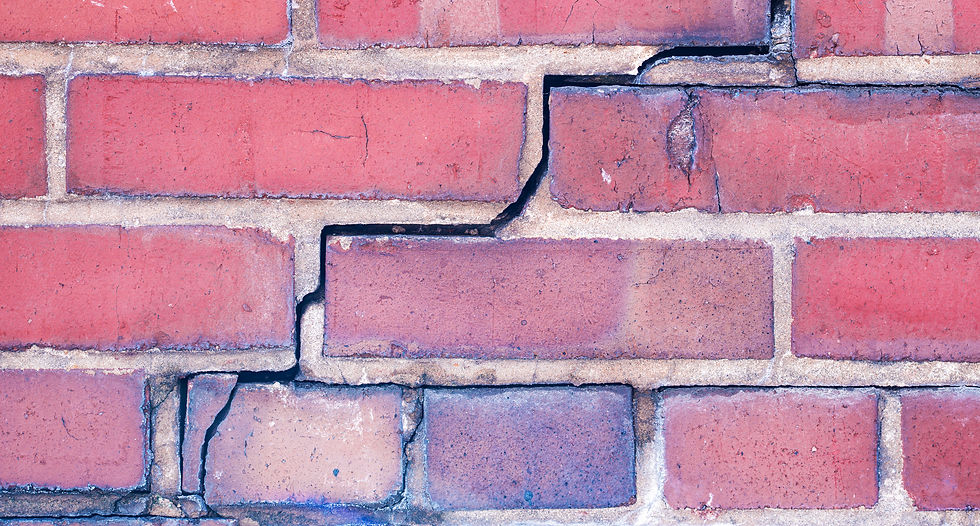
A Brand-New Home With Serious Defects: A Case Study by Rectory Surveyors Ltd


A Brand-New Home With Serious Defects: A Case Study by Rectory Surveyors Ltd
There is a widely held assumption within the property market that newly built homes are inherently low risk.
Modern construction methods, developer warranties, energy efficiency standards, and pristine presentation often create the impression that new build properties are free from the kinds of hidden defects commonly associated with older buildings.
At Rectory Surveyors Ltd, we regularly see the reality behind this assumption. While new build homes can offer many advantages, they are not immune from construction defects, workmanship issues, or performance-related concerns. In some cases, the problems identified can significantly affect the long-term durability, efficiency, and usability of the property.
This case study demonstrates how a newly completed property, presented to an exceptionally high standard, concealed a range of serious defects that would likely have remained undiscovered without an independent inspection by Rectory Surveyors Ltd.
The Property
The client approached Rectory Surveyors Ltd shortly after reserving a newly built property valued at approximately £725,000 within a larger residential development. The property was marketed as a premium unit featuring:
High-specification finishes
Modern design
Strong energy efficiency credentials
Contemporary internal layouts
Developer-backed warranty protection
Unlike many purchasers of new build homes, the client chose to instruct Rectory Surveyors Ltd to undertake an independent pre-completion inspection. At the time, there was no expectation that significant defects would be identified. The instruction was intended primarily to provide reassurance prior to completion.
On initial inspection, the property appeared visually impressive. Internally:
Decoration was fresh and consistent
Flooring had been neatly installed
Fittings appeared modern and functional
Finishes were visually clean and uniform
However, as Rectory Surveyors Ltd frequently advises clients, visual presentation alone does not necessarily reflect construction quality or long-term performance.
New build properties may look flawless on the surface, but many defects only become apparent through detailed technical inspection.
Early Workmanship Concerns
As the inspection progressed, Rectory Surveyors Ltd identified several inconsistencies in workmanship affecting key structural and building envelope elements. These included:
Uneven junctions between walls and ceilings
Poorly sealed service penetrations
Inconsistent detailing around finishes
Misaligned construction interfaces
Incomplete material integration
Individually, some of these issues may have appeared relatively minor. However, collectively they indicated a broader pattern of rushed or incomplete construction work. At Rectory Surveyors Ltd, this type of pattern is often more significant than isolated defects because it can indicate weaknesses in overall quality control during construction.
Defects Affecting the Building Envelope
More serious concerns emerged during assessment of the building envelope. Thermal imaging and moisture analysis carried out by Rectory Surveyors Ltd suggested inconsistencies in insulation installation, resulting in areas of cold bridging. This raised concerns regarding:
Reduced thermal performance
Increased heat loss
Condensation risk
Long-term mould growth potential
Internal comfort levels
Although the property had been marketed heavily on energy efficiency, the inspection suggested that performance in practice may not align fully with expectations. Rectory Surveyors Ltd also identified early signs of water ingress risk around window openings. While active penetration had not yet become severe, the detailing and sealing arrangements appeared inadequate in several locations, creating concern regarding future weather resistance and long-term durability. In new build properties, defects of this nature are particularly important because poorly executed details can lead to recurring maintenance issues if not corrected early.
Ventilation and Internal Environmental Risks
Ventilation was another significant concern identified during the inspection. Modern properties are commonly designed with highly sealed building envelopes in order to improve energy efficiency. However, effective ventilation is essential to balance moisture levels and maintain healthy internal conditions. Rectory Surveyors Ltd identified that ventilation systems within the property were not operating effectively, with insufficient airflow present in several key areas, including:
Kitchens
Bathrooms
Utility spaces
This created increased risk of:
Condensation
Moisture accumulation
Poor indoor air quality
Future mould growth
In many modern developments, inadequate commissioning or poor installation of ventilation systems can significantly undermine building performance despite compliance-focused design intentions.
External Drainage Concerns
Externally, Rectory Surveyors Ltd identified concerns relating to drainage design and surface water management.
Certain external gradients appeared insufficient to support effective water runoff, creating potential for localised water accumulation around sections of the property. Over time, issues of this nature can contribute to:
Localised dampness
Premature material deterioration
Increased maintenance requirements
Potential foundation-related concerns
When considered collectively alongside the other findings, the issues identified represented more than minor snagging concerns. This was a property where several elements of construction quality and performance had been compromised during delivery.
The Rectory Surveyors Ltd Report
Rectory Surveyors Ltd prepared a detailed report outlining:
The identified defects
Their likely causes
Potential long-term implications
Recommended remedial works
Areas requiring further developer attention
Importantly, the report was structured not only to identify issues, but also to explain their practical significance in terms the client could clearly understand. The findings came as a considerable surprise to the client, who had understandably assumed that a newly built home would require minimal intervention. Instead, the inspection revealed risks more commonly associated with defective workmanship and incomplete quality control processes.
The Outcome
Armed with the findings from Rectory Surveyors Ltd, the client was able to engage with the developer from a position of clarity and evidence. Rather than relying on broad assurances regarding build quality, the client was able to present specific and professionally supported concerns. Although the developer initially maintained that the property complied with required standards, the detail and technical basis of the Rectory Surveyors Ltd report made the issues difficult to dismiss entirely.
Further inspections were subsequently undertaken, and several of the identified concerns were acknowledged.
As a result, a programme of remedial works was agreed prior to completion, including:
Improvements to insulation installation
Corrections to window detailing
Ventilation system adjustments
External drainage modifications
Without this intervention, many of these defects may not have become fully apparent until years after occupation, by which point remediation would likely have been significantly more disruptive and costly.
Why Independent New Build Inspections Matter
This case highlights an important reality within the modern housing market:
New build properties are not automatically risk free
While they benefit from modern design standards and regulatory oversight, they are also subject to:
Tight development programmes
High construction volumes
Variable workmanship standards
Pressure on completion timescales
At Rectory Surveyors Ltd, we frequently find that defects within new build properties relate less to design and more to execution. Even well-designed buildings can perform poorly where construction quality falls below the required standard.
The Limitation of Developer Warranties
Another important lesson from this case is the limitation of relying solely upon developer warranties. While warranties provide a level of future protection, they are not a substitute for understanding the condition of the property before completion. Identifying defects early allows issues to be addressed proactively rather than becoming the subject of future disputes or warranty claims.
For buyers, the assumption that “new means perfect” can create a false sense of security. This case demonstrates why independent inspection remains valuable regardless of the age of the property.
Conclusion
This case demonstrates that newly constructed homes can still contain significant hidden defects despite high-quality presentation and developer assurances. By instructing Rectory Surveyors Ltd before completion, the client was able to identify and address these concerns early, avoiding future disruption, uncertainty, and potential financial exposure.
New build properties may involve different risks from older homes — but they still require careful and independent professional assessment. At Rectory Surveyors Ltd, we help clients move beyond assumptions and make informed property decisions based on evidence, performance, and long-term value.
Related Rectory Surveyors Ltd Services & Articles
This case closely relates to several specialist services and guidance articles provided by Rectory Surveyors Ltd, including:
These services and resources assist buyers, homeowners, and investors in identifying construction defects, workmanship concerns, and long-term performance risks before completion.
Contact Rectory Surveyors Ltd
If you are purchasing a new build property or require independent professional advice regarding workmanship, construction quality, or hidden defects, contact Rectory Surveyors Ltd to discuss how we can assist. Independent inspection provides clarity — even in brand-new homes.
Rectory Surveyors are experts in building and surveying, friendly and experienced, with a high degree of professionalism for all your surveying requirements. Learn more >
T: 020 7249 4954
E: info@rectorysurveyors.co.uk