Digital Building Health Passports: A New Standard for Property Risk in London


Digital Building Health Passports: A New Standard for Property Risk in London
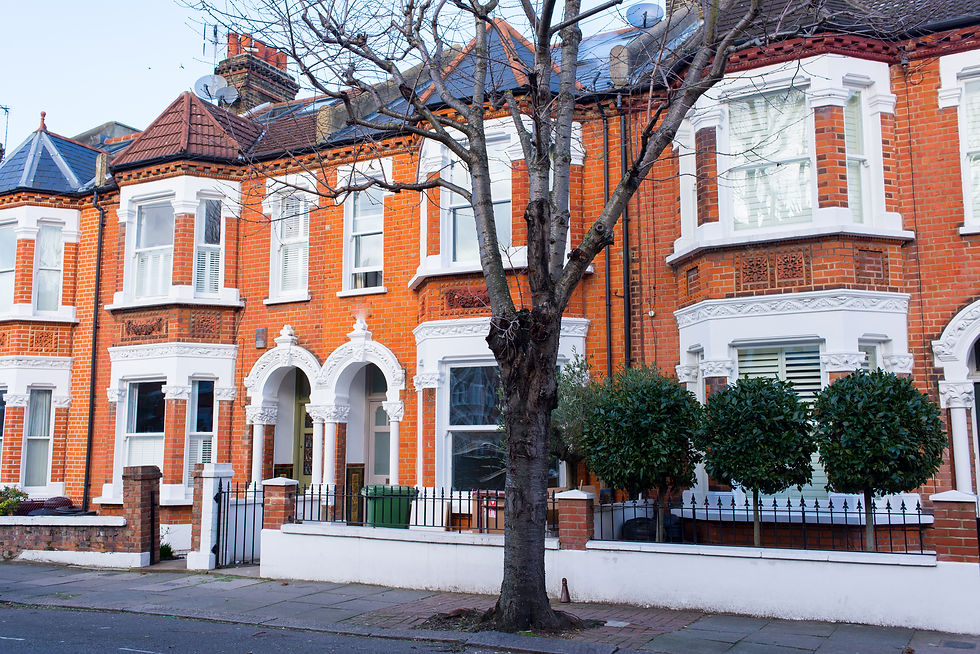
London’s property market is unlike any other. Beneath its historic streets and evolving skyline lies a complex mix of Victorian terraces, converted flats, extended homes, and heavily altered structures. While these buildings define the character of the city, they also present unique challenges when it comes to understanding their true condition.
Traditionally, building surveys provide a snapshot in time. A property is inspected, defects are identified, and recommendations are made. While this approach remains essential, it does not always capture the full story of a building’s performance over time. In a city like London, where properties are constantly adapted and influenced by environmental and structural factors, a more continuous and structured approach to building assessment is becoming increasingly relevant.
This is where the concept of a Digital Building Health Passport is beginning to emerge.
Moving Beyond the One-Off Survey
A conventional building survey is designed to inform a specific decision, most commonly a property purchase. It assesses visible defects, highlights risks, and provides advice based on the condition observed at the time of inspection. However, once that report is issued, the record often becomes static.
For many properties, particularly older or altered buildings, this creates a gap in understanding. Defects such as structural movement, moisture ingress, or material deterioration develop over time. Without continuity, it can be difficult to determine whether a crack is historic or progressive, whether dampness is improving or worsening, or whether previous repairs have been effective.
In London, where buildings are frequently extended, subdivided, and repurposed, this lack of continuity can lead to uncertainty, reactive maintenance, and increased long-term costs.
What is a Digital Building Health Passport
A Digital Building Health Passport is a structured and evolving record of a building’s condition. Rather than relying on a single report, it brings together information over time to provide a clearer and more complete picture of how a building is performing.
This may include:
Records of previous surveys and inspections
Details of identified defects and their progression
Information on repairs and alterations
Observations relating to structural movement
Moisture and environmental conditions
Maintenance history and recommendations
In essence, it creates a timeline of the building’s condition, allowing owners, occupiers, and professionals to understand not just the current state of the property, but how it has changed over time.
Why London Properties Demand This Approach
The need for a more structured and continuous approach to building assessment is particularly relevant in London. Much of the housing stock dates back to the Victorian and Edwardian periods. These buildings were constructed using traditional materials and methods, which behave differently to modern construction. Over time, they have often been modified to meet changing needs, including rear extensions, loft conversions, and basement works.
In addition, London’s ground conditions, particularly clay soils, can contribute to structural movement. Nearby trees, drainage issues, and environmental factors can all influence how buildings perform.
These variables mean that many properties do not have a straightforward or static condition. Instead, they evolve over time, and understanding that evolution is key to managing risk effectively. A Digital Building Health Passport allows this complexity to be managed in a structured way, reducing uncertainty and supporting better decision making.
A Practical Approach Led by Rectory Surveyors Ltd
At Rectory Surveyors Ltd, we recognise that while the concept of a Digital Building Health Passport is forward-looking, its foundations are already rooted in good surveying practice. Our work across London involves detailed inspections, defect analysis, and ongoing advice for a wide range of properties. This includes residential buildings, care homes, specialist accommodation, and public sector assets. Through this experience, we understand the importance of not only identifying defects, but also tracking and interpreting them over time.
Rectory Surveyors Ltd is well placed to support clients who wish to adopt a more structured approach to building condition management. By combining detailed survey reports with clear records and ongoing professional input, we can help create a more continuous and informed understanding of a building’s performance.
This does not necessarily require complex systems or technology at the outset. Instead, it is about applying a consistent methodology, ensuring that information is retained, and building a clear record that can be referred to in the future.
Supporting Better Decisions for Property Owners
The benefits of this approach are practical and immediate. For property purchasers, a more structured record can reduce uncertainty. Understanding whether defects are long-standing or recent, and whether they have been addressed effectively, can inform negotiations and purchasing decisions.
For homeowners and landlords, it allows maintenance to be planned more effectively. Rather than reacting to issues as they arise, defects can be monitored and addressed at the appropriate time, reducing the risk of more significant problems developing.
For developers and investors, it provides greater confidence in assessing risk, particularly where buildings have been heavily altered or require refurbishment. For public sector and estate managers, including those responsible for healthcare or housing portfolios, it supports lifecycle planning, compliance, and budget management.
Integration with Existing Surveying Services
Importantly, a Digital Building Health Passport does not replace traditional surveying services. Instead, it builds upon them. At Rectory Surveyors Ltd, our core services remain central to this approach. These include detailed building surveys, defect diagnosis, Party Wall matters, and Expert Witness work. Each of these services contributes valuable information that can form part of a wider building record.
For example, a Level 3 building survey provides a detailed baseline condition. Subsequent inspections, maintenance advice, or Party Wall Schedules of Condition add further layers of information. Over time, this creates a comprehensive and structured understanding of the building.
Looking Ahead
As property ownership becomes more complex and expectations around transparency and accountability increase, the way buildings are assessed is likely to evolve. Buyers, lenders, and regulators are increasingly interested not just in the current condition of a property, but in its history and future risk profile.
While the concept of a Digital Building Health Passport is still developing, it represents a practical and logical progression in building surveying. It moves away from isolated reports and towards a more continuous, informed, and proactive approach. Rectory Surveyors Ltd is committed to supporting clients in this direction, offering a combination of technical expertise, practical advice, and forward-thinking methodology.
Conclusion
In a city as complex as London, understanding a building requires more than a single inspection. It requires context, continuity, and professional insight. A Digital Building Health Passport provides a framework for achieving this, bringing together information over time to create a clearer and more reliable picture of a building’s condition.
Rectory Surveyors Ltd is well positioned to support this approach, helping clients move beyond reactive decision making and towards a more structured and confident understanding of their property.
RELATED
Rectory Surveyors are experts in building and surveying, friendly and experienced, with a high degree of professionalism for all your surveying requirements. Learn more >
T: 020 7249 4954
E: info@rectorysurveyors.co.uk